

When planning an excavation project in Jasper, one of the most important factors homeowners often overlook is the type of soil on their property. Soil type in Jasper can dramatically affect excavation work, influencing everything from how easy it is to dig, to the stability of your driveway, garage pad, or landscaping project. Different soils — whether clay, sandy, loamy, or rocky — behave very differently when machinery or hand tools are applied, and they can impact drainage, erosion, and even project costs.
Understanding your soil before starting an excavation project not only helps ensure the job is completed efficiently but also prevents costly mistakes and long-term problems like water pooling or foundation issues. In this guide, we’ll break down the common soil types found in Jasper, explain how each type affects excavation projects, and provide practical tips for homeowners preparing their property. Whether you’re planning a new driveway, leveling your yard, or building a small structure, knowing how your soil behaves is the first step to a successful project.
Common Soil Types Found in Jasper
Homeowners in Jasper encounter a variety of soil types, each with unique characteristics that affect excavation projects. Understanding the soil on your property helps you plan properly and avoid unexpected challenges. The most common soil types in the area include:
- Clay Soil: Dense and sticky when wet, clay soil holds water and can become compacted. It’s durable but difficult to dig and may require extra drainage solutions.
- Sandy Soil: Loose and easy to dig, sandy soil drains quickly but can shift easily, requiring compaction for stability during construction.
- Loam Soil: Balanced and nutrient-rich, loam combines sand, silt, and clay. It’s ideal for most excavation and landscaping projects, offering good drainage and stability.
- Rocky Soil: Contains stones and boulders, making excavation more labor-intensive. Rocky soil often requires specialized machinery, which can increase project costs and timelines.
By identifying the soil type on your property, you can better prepare for excavation and work with professionals who understand the specific challenges each soil type presents in Jasper.
Why Soil Type Matters for Excavation
The type of soil on your property has a direct impact on how an excavation project is planned and executed. Different soils respond differently to digging, machinery, and water, which can influence the stability, cost, and timeline of your project. Doing excavation in Jasper can differ a lot compared to doing excavation in Monteagle, despite these two towns being fairly close to each other. All of this has to be accounted for prior to starting a project of any kind.
- Digging Difficulty: Dense clay or rocky soils require more effort and specialized equipment to excavate, while sandy or loamy soils are easier to work with.
- Drainage and Water Flow: Some soils, like clay, retain water and can lead to pooling around your foundation, while sandy soils drain quickly but may need stabilization.
- Stability of Structures: Soil type affects how stable your driveway, garage pad, or landscaping will be after excavation. Improper preparation can lead to settling, cracks, or erosion over time.
- Project Costs and Timeline: Challenging soils often increase labor, equipment needs, and overall project duration, which homeowners should factor into their budgets.
For homeowners in Jasper, understanding soil behavior is crucial for several reasons:
By considering soil type before starting excavation, Jasper homeowners can avoid costly mistakes, improve project outcomes, and ensure long-lasting results for driveways, landscaping, or home additions.
How Different Soil Types Affect Excavation Projects
Each type of soil in Jasper behaves differently during excavation, affecting how the project is planned and executed. Understanding these differences helps homeowners anticipate challenges and work effectively with excavation professionals.
- Clay Soil:
Dense and heavy, making it more difficult to dig. Retains water, which can lead to pooling and slow drainage. May require extra grading and drainage solutions to prevent future erosion or foundation issues. - Sandy Soil:
Loose and easy to dig, allowing faster excavation. Drains quickly, reducing the risk of water pooling but may need compaction for stability. Ideal for smaller landscaping projects but may require reinforcement for driveways or pads. - Loam Soil:
Balanced mixture of sand, silt, and clay, making it the easiest to work with. Provides good drainage and stable support for driveways, patios, and landscaping. Requires minimal extra preparation, making it cost-effective for homeowners. - Rocky Soil:
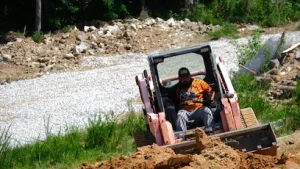
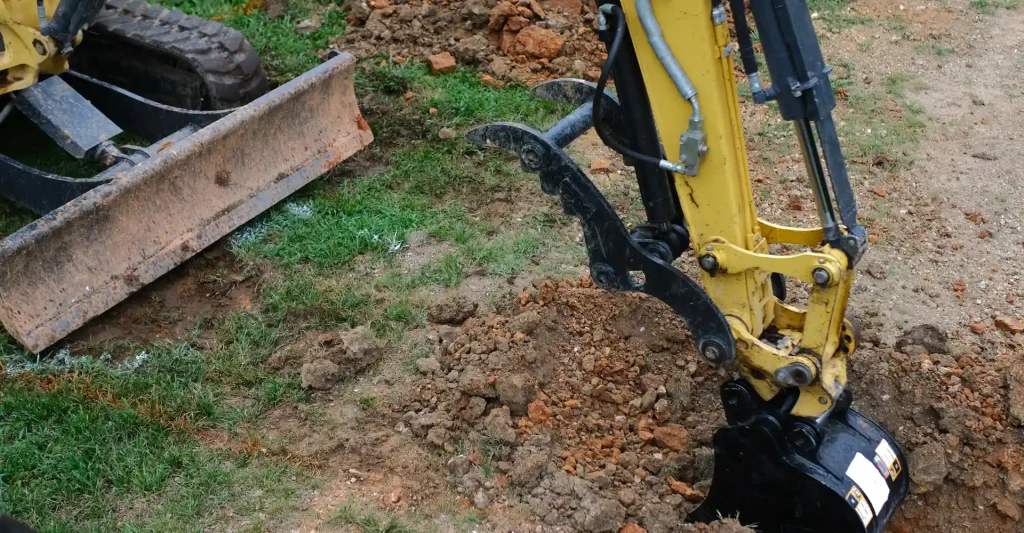
Contains stones or boulders that increase digging difficulty. Requires specialized equipment like skid steers or mini-excavators. Increases labor, time, and overall project costs but is manageable with professional expertise.
By knowing how each soil type behaves, Jasper homeowners can make informed decisions about excavation methods, equipment, and costs, ensuring smoother and more predictable project outcomes.
Impact of Soil Type on Your Excavation Project
The type of soil on your property directly affects how your excavation project will unfold. For homeowners in Jasper, understanding these impacts helps plan timelines, budgets, and the level of professional support needed.
Project Timeline
Soil type greatly influences how long an excavation project takes. Dense clay or rocky soils require more digging and preparation, which can extend the timeline. Sandy or loamy soils are easier to work with, allowing for faster completion. Understanding your soil helps homeowners plan projects realistically.
Equipment Requirements
Different soils demand different tools and machinery. Rocky or compacted clay soils often require heavy equipment like excavators or skid steers, while sandy or loamy soils may need only smaller machinery. Choosing the right equipment ensures efficiency, safety, and reduces the risk of property damage during excavation.
Costs
Soil type affects labor, equipment use, and material requirements, all of which impact project costs. Difficult soils like clay or rock increase expenses due to additional machinery and labor, while easier soils like loam reduce both time and cost. Proper assessment helps homeowners budget accurately for their excavation projects.
Drainage and Stability
Excavation must account for how soil retains or drains water. Clay retains water, potentially causing pooling or erosion, while sandy soils drain quickly but may need compaction. Loam generally offers stable drainage. Proper soil management ensures that driveways, pads, and landscaping remain safe and durable over time.
Tips for Homeowners Preparing for Excavation in Jasper
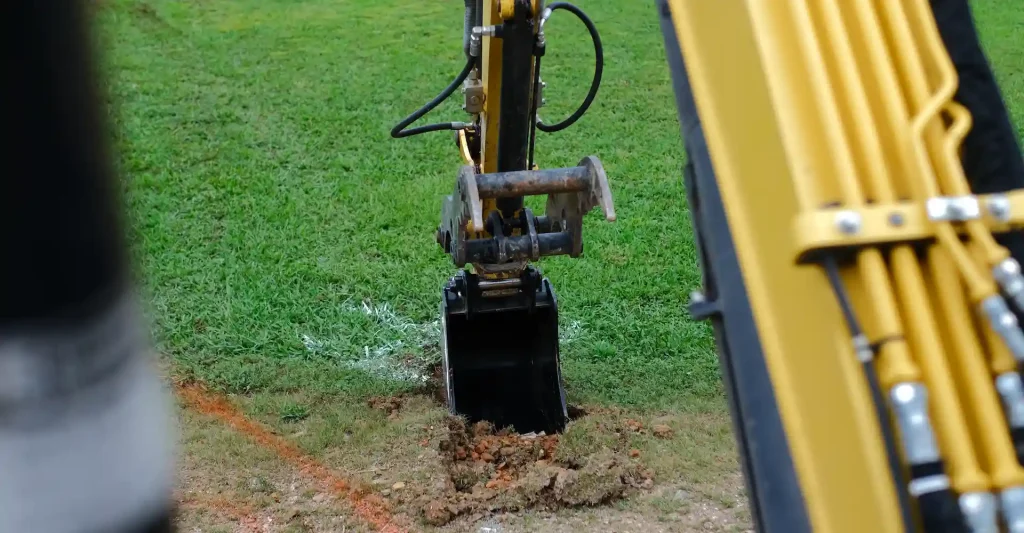
Proper preparation can make a big difference in the success of your excavation project. By understanding your soil, planning ahead, and working with professionals, you can reduce costs, avoid delays, and ensure a smooth project. Here are key steps every Jasper homeowner should take before excavation begins:
Identify Your Soil Type
Knowing your soil type — clay, sandy, loamy, or rocky — is essential before starting any excavation project. Understanding your soil helps determine the right equipment, excavation method, and grading approach, ensuring a smoother project and reducing the risk of costly mistakes or future drainage problems.
Plan Your Project Layout
Mark the areas for driveways, garage pads, or landscaping features ahead of time. Clearing debris, vegetation, and obstacles allows for efficient excavation and prevents potential damage to your property. A well-planned layout also helps contractors work more effectively and finish your project on schedule.
Consult with Local Experts
Excavation professionals familiar with Jasper soil conditions can provide valuable insights. They can recommend the best approach, identify potential challenges, and ensure your project is completed safely and efficiently. Expert guidance minimizes risks and protects your property investment.
Consider Drainage Needs
Proper grading and drainage prevent water pooling, erosion, and foundation issues. Plan for slopes, drainage channels, or other water management solutions to protect your property. Addressing drainage before excavation saves homeowners time, money, and potential structural problems later.
Prepare for Equipment Access
Ensure that machinery can access your property safely without damaging fences, landscaping, or structures. Adequate access allows contractors to work efficiently, reduces the risk of accidents, and ensures the excavation project stays on schedule.
Frequently Asked Questions
1. How do I determine my soil type in Jasper?
To identify your soil type, consider conducting a soil test or consult with local excavation professionals who are familiar with Jasper’s soil conditions. They can perform tests to classify your soil accurately, which is crucial for planning excavation projects effectively.
2. What challenges does clay soil pose during excavation?
Clay soil is dense and sticky when wet, making it difficult to dig. It retains water, which can lead to pooling and slow drainage. Excavating clay may require specialized equipment and techniques to break up the dense material and improve drainage.
3. Is sandy soil easier to excavate?
Sandy soil is generally easier to dig due to its loose structure. However, it drains quickly, which can lead to instability, especially on slopes or when supporting heavy structures. Professionals may need to compact the soil or use retaining walls to prevent shifting and erosion.
4. How does loam soil affect excavation projects?
Loam soil is a balanced mixture of sand, silt, and clay, making it ideal for most excavation and landscaping projects. It provides good drainage and stability, reducing the need for additional preparation and making it cost-effective for homeowners.
5. What is rocky soil, and how does it impact excavation?
Rocky soil contains stones or boulders, increasing digging difficulty. It requires specialized equipment like skid steers or mini-excavators and increases labor, time, and overall project costs. However, with professional expertise, these challenges can be managed effectively.
6. How does soil type affect excavation costs?
Soil type influences labor, equipment use, and material requirements, all of which impact project costs. Difficult soils like clay or rock increase expenses due to additional machinery and labor, while easier soils like loam reduce both time and cost.
7. Can soil type affect the stability of my excavation project?
Yes, soil type affects the stability of structures. Improperly managed clay or sandy soils can cause drainage issues, erosion, or settling of structures, while loam provides a stable foundation for driveways, pads, or landscaping.
Get Jasper Excavation Experts Who Know Your Soil
Excavation projects can be complex, especially when local soil conditions come into play. For homeowners in Jasper, hiring experienced professionals ensures that your driveway, garage pad, or landscaping project is completed efficiently, safely, and with long-lasting results.
Our team understands the unique soil types found in Jasper and can provide expert guidance, proper grading, and professional excavation services tailored to your property. From planning and preparation to completion, we make sure your project runs smoothly, saving you time, money, and stress.
Don’t risk costly mistakes or delays, contact us today for an honest quote!