

If you’ve ever wondered how land grading is done and why it matters, you’re not alone. For many homeowners, grading seems like a behind-the-scenes step, but it’s one of the most important parts of protecting your property. Land grading is the process of shaping and leveling the ground to improve drainage, prevent erosion, and prepare the soil for projects like lawns, gardens, driveways, parking pads, or even garage foundations.
Without it, water can pool around your home, cause foundation damage, or turn your yard into a muddy mess. In this article, we’ll walk you through what land grading is, when homeowners typically need it, and the step-by-step process professionals use to get it right. You’ll also learn the pros and cons of DIY versus hiring a contractor, along with cost factors to consider.
What Is Land Grading and Why Does It Matter?
Land grading is the process of leveling or reshaping your property to manage water flow, prevent erosion, and create a stable surface for landscaping or small construction projects. For homeowners, proper grading is essential to protect your property and maintain its appearance. Improper grading can lead to water pooling, soil erosion, and damage to foundations or driveways.
Key benefits of land grading for homeowners:
- Improved drainage: Directs water away from your home to prevent flooding.
- Erosion control: Protects your soil, lawn, and gardens from washing away.
- Foundation protection: Reduces the risk of structural damage from water accumulation.
- Better landscaping: Creates a smooth, level surface for lawns, gardens, driveways, or small builds.
Whether you’re preparing for a new driveway, garage pad, or simply want a healthier yard, understanding land grading is the first step to making smart decisions for your property.
When Do Homeowners Need Land Grading?
Knowing when land grading is necessary can save you time, money, and potential damage to your property. Homeowners often overlook grading until problems arise, but proactively addressing it ensures your yard and home remain safe and functional.
Common situations where grading is needed:
- Yard leveling and landscaping: Creating a smooth, even surface for lawns, gardens, or patios.
- Drainage issues: Preventing water from pooling near the house, basement, or walkways.
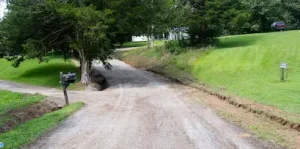
- Driveways and parking pads: Preparing a solid, level foundation for vehicles and outdoor structures.
- Garage or small building projects: Ensuring a stable base for sheds, garages, or home additions.
- Slope adjustments: Correcting uneven terrain to prevent soil erosion and improve aesthetics.
By identifying these situations early, homeowners can plan for grading projects before problems escalate, making the process smoother and more cost-effective. Proper grading not only protects your property but also enhances its value and usability.
The Land Grading Process Step by Step
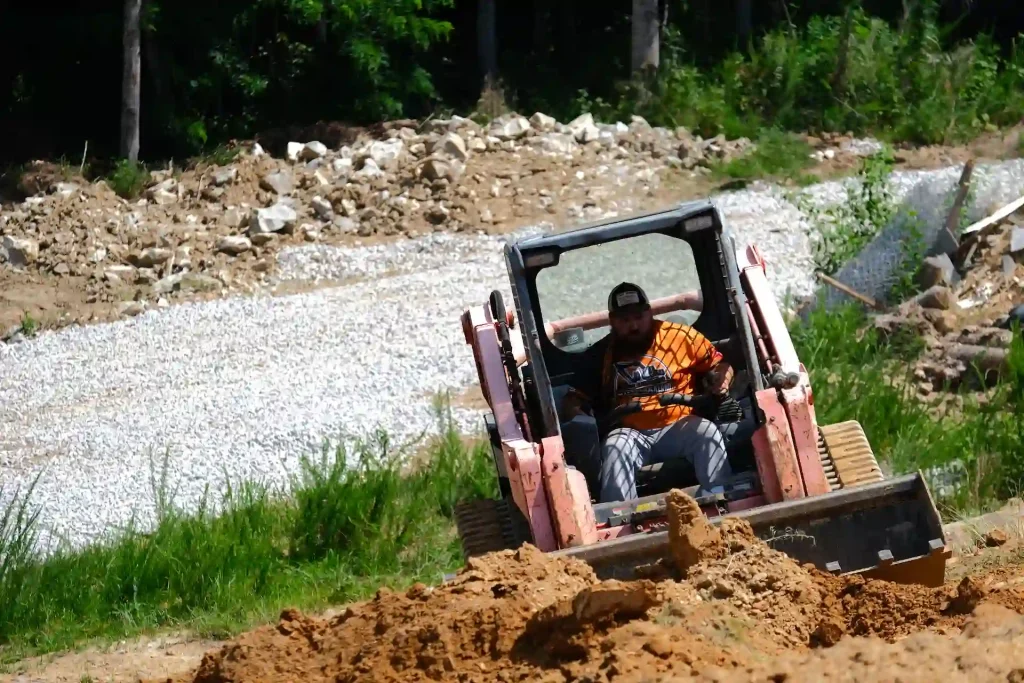
Land grading may seem simple, but it involves several careful steps to ensure the ground is properly prepared. Understanding this process helps homeowners appreciate why hiring a professional can make a big difference.
Step 1: Planning and Site Assessment
Before any soil is moved, the area must be evaluated. Professionals assess the slope, soil type, and existing water flow to determine the best grading approach. This step also identifies potential drainage problems and areas that need extra attention. Proper planning ensures that the project will be effective and long-lasting.
Step 2: Marking and Measuring the Area
The next step involves marking the property to guide excavation and filling. Tools like stakes, strings, and levels are used to create reference points. Accurate measurements are crucial to achieving the correct slope and ensuring water drains away from structures.
Step 3: Clearing and Excavation
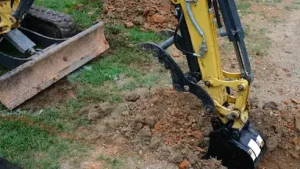
Before reshaping the land, debris, vegetation, and old soil are removed. This creates a clean surface and allows equipment or manual tools to work efficiently. Excavation may involve cutting high spots and filling low areas to achieve a consistent grade.
Step 4: Cutting, Filling, and Smoothing
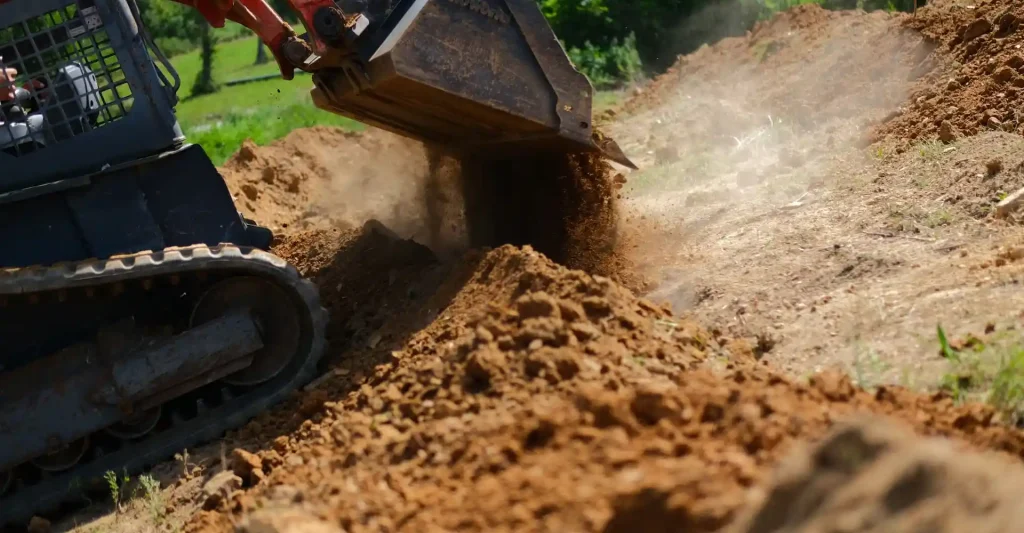
Soil is redistributed to create the desired slope. High areas are cut down, and low spots are filled. Equipment like skid steers or hand tools is used to level the surface. The goal is a uniform slope that guides water away from buildings and landscaped areas.
Step 5: Compacting and Finishing
Finally, the soil is compacted to prevent future settling and create a stable surface. Fine grading smooths the top layer, ready for grass, driveways, or other projects. This step ensures long-term durability and effective drainage.
DIY vs. Hiring a Professional: What Homeowners Should Know
Many homeowners in Jasper, Kimball, South Pittsburg Mountain, and nearby areas consider tackling land grading themselves. While small adjustments in your yard may be manageable as a DIY project, larger grading jobs often require professional expertise to avoid costly mistakes. This especially true given the varied terrain in our region. Hills, slopes, and rocky soil common to this area can make proper grading tricky without the right equipment and experience.
Why DIY can be challenging locally:
- Achieving the correct slope for drainage is tricky on sloped lots or uneven terrain typical in South Pittsburg Mountain areas.
- Heavy machinery may be needed for projects like driveway prep or garage pads, which can be difficult or unsafe to operate without experience.
- Mistakes in grading can lead to water pooling, erosion, or foundation issues, which are expensive to fix in local soil conditions.
Why hiring a professional makes sense:
- Local contractors understand the unique soil and slope challenges of Jasper, Kimball, and surrounding areas.
- Professionals have the right equipment to grade safely and efficiently, even on hilly or uneven properties.
- The job is completed faster, minimizing disruption to your yard and ensuring long-term results.
If you live in Jasper, Kimball, South Pittsburg Mountain, or nearby towns and are planning yard leveling, driveway prep, or a small construction project, our local team can handle your land grading safely and efficiently. Contact us today for a free consultation and estimate.
Cost Factors in Land Grading for Homeowners
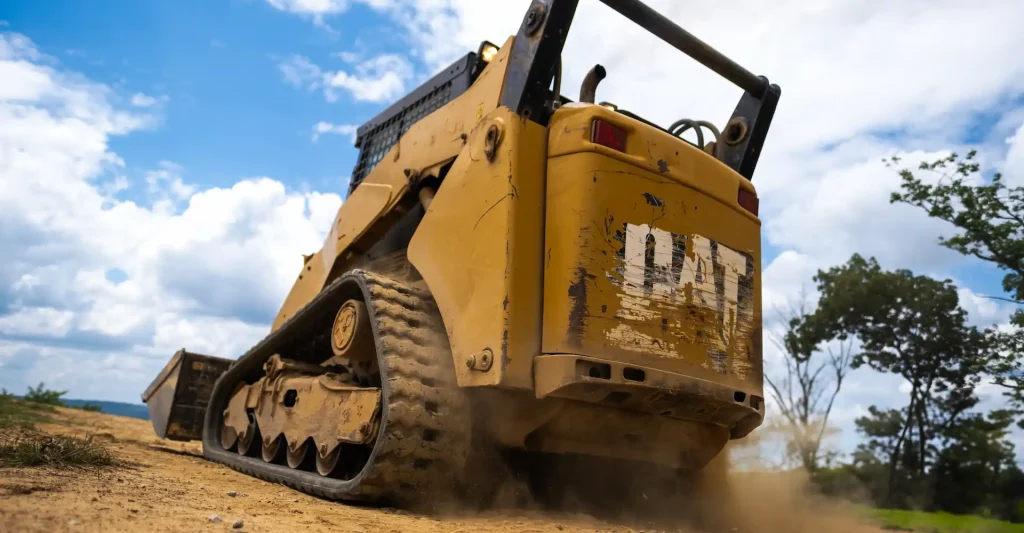
The cost of land grading can vary depending on your property’s size, soil conditions, and the complexity of the project. Homeowners in Jasper, Kimball, South Pittsburg Mountain, and surrounding areas face unique terrain challenges that can influence pricing. Understanding these factors helps you budget effectively and avoid unexpected costs.
Key cost factors for local homeowners:
- Project size: Larger yards or areas needing grading — common on the South Pittsburg Mountain — require more labor and equipment, increasing costs.
- Soil type and terrain: Rocky soil, slopes, and uneven ground typical to Jasper and Kimball may require additional machinery or manual labor.
- Equipment and labor: Professional crews use machinery like skid steers or excavators, which ensures safety and efficiency but affects cost.
- Additional materials: Filling low spots, adding topsoil, or preparing pads for driveways and small buildings can add to the total expense.
While DIY grading might save money upfront, improper grading can lead to water pooling, erosion, or foundation problems, especially on local slopes. Hiring a professional ensures the job is done correctly the first time, protecting your home and yard long-term.
Frequently Asked Questions About Land Grading for Homeowners
1. What is land grading, and why is it important for my property?
Land grading involves reshaping your property’s surface to ensure proper drainage and create a stable base for construction or landscaping. In areas like Jasper and Kimball, proper grading prevents water pooling, foundation damage, and erosion.
2. How do I know if my yard needs grading?
Signs include water pooling near your foundation, soggy or muddy areas, cracks in driveways or foundation walls, and soil erosion. A local professional can assess your property for grading needs.
3. What is the ideal slope for grading around my home?
For effective drainage, the ground should slope away from your home, typically 1 inch for every 1 foot for the first 5–10 feet from the foundation.
4. Can I grade my yard myself, or should I hire a professional?
Small adjustments can be DIY, but larger projects, especially on hilly or rocky terrain like South Pittsburg Mountain, are best handled by professionals to avoid drainage and erosion problems.
5. What equipment is typically used for land grading?
Professionals use skid steers, mini-excavators, laser levels, compactors, and dump trucks, depending on project size and complexity.
6. How much does land grading cost for homeowners in this area?
Costs vary based on size, soil conditions, and project complexity. Average local projects range from $1,000 to $3,000. Obtain multiple quotes for the best pricing.
7. Are permits required for land grading in Jasper or Kimball?
Some projects may require a grading permit, particularly if they significantly alter elevation or drainage patterns. Check with your local municipality.
8. How long does a land grading project typically take?
Small projects may take a day, while larger ones can take several days to a week. Professionals provide accurate timelines after assessing the property.
Get Professional Land Grading in Jasper, Kimball & South Pittsburg Mountain Today
Proper land grading is crucial for protecting your home, improving drainage, and creating a stable foundation for landscaping, driveways, or small construction projects. Whether you’re planning a yard leveling, a driveway prep, or a garage pad, tackling grading on your own can be risky, especially given the slopes and soil conditions common in Jasper, Kimball, and South Pittsburg Mountain.
Our local team specializes in residential land grading, bringing the right equipment, expertise, and experience to every project. We ensure your property is graded correctly the first time, preventing costly mistakes and giving you peace of mind.
Don’t wait until drainage problems or erosion appear. Let us help you get your property ready for any project. Contact us today for a free consultation and estimate!